



May 18, 2026
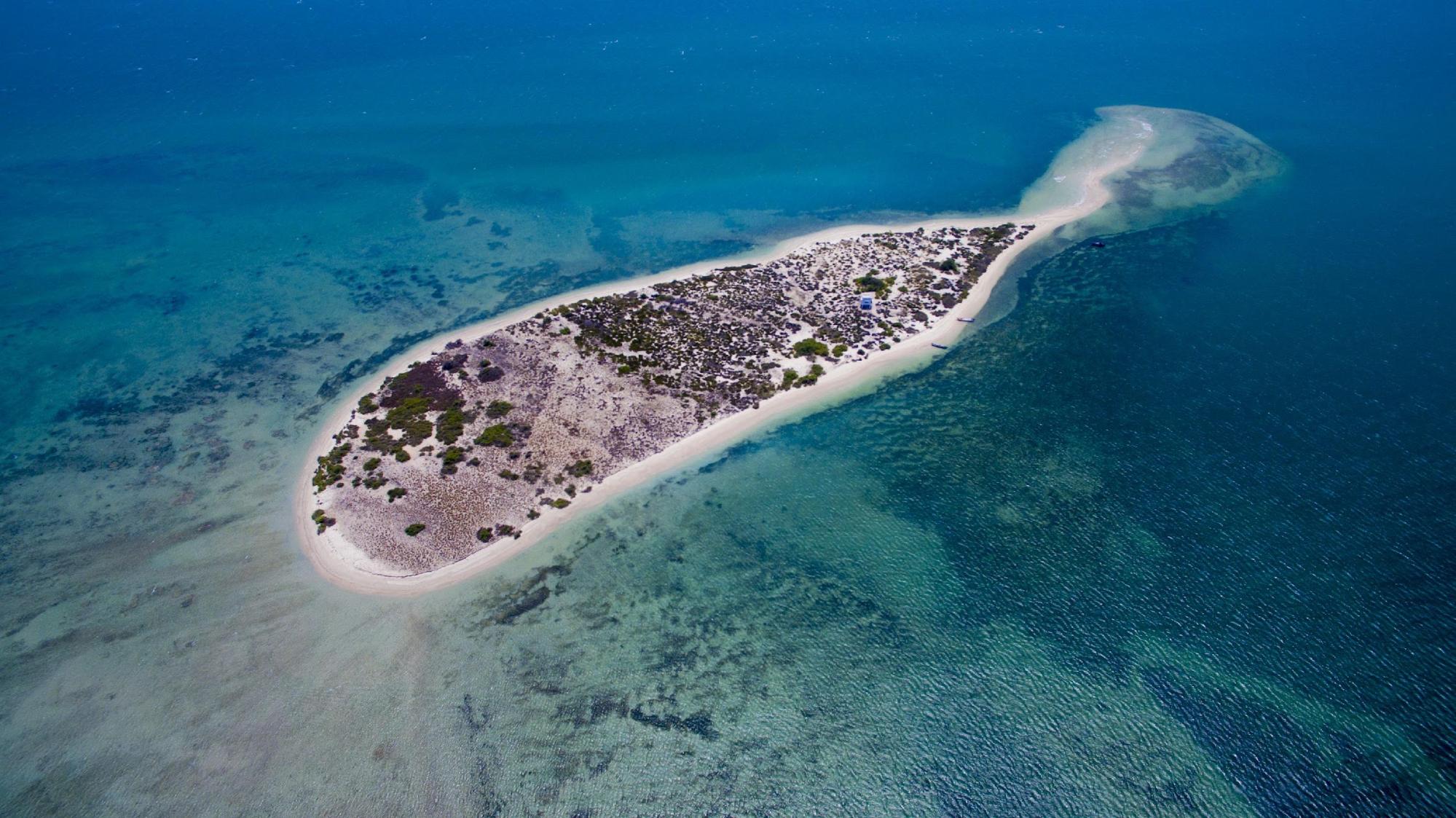
Kariyachalli Island is one of the 21 islands in the Gulf of Mannar Marine National Park, located near Tuticorin, Tamil Nadu. Over the years, this small coral island has faced rapid erosion due to rising sea levels and the degradation of surrounding coral reefs and seagrass ecosystems. Recognizing the ecological and livelihood importance of the island, the Government of Tamil Nadu has launched a comprehensive restoration initiative under the Tamil Nadu SHORE (Sustainably Harnessing Ocean Resources) project.
TThe goal of the project is to stabilize and protect Kariyachalli Island by restoring its surrounding marine habitats—particularly corals and seagrasses—thereby supporting biodiversity conservation, enhancing fish productivity, and strengthening climate resilience for coastal communities. The restoration effort is designed to benefit both the environment and the people, especially the small-scale fishing communities that depend on these ecosystems.
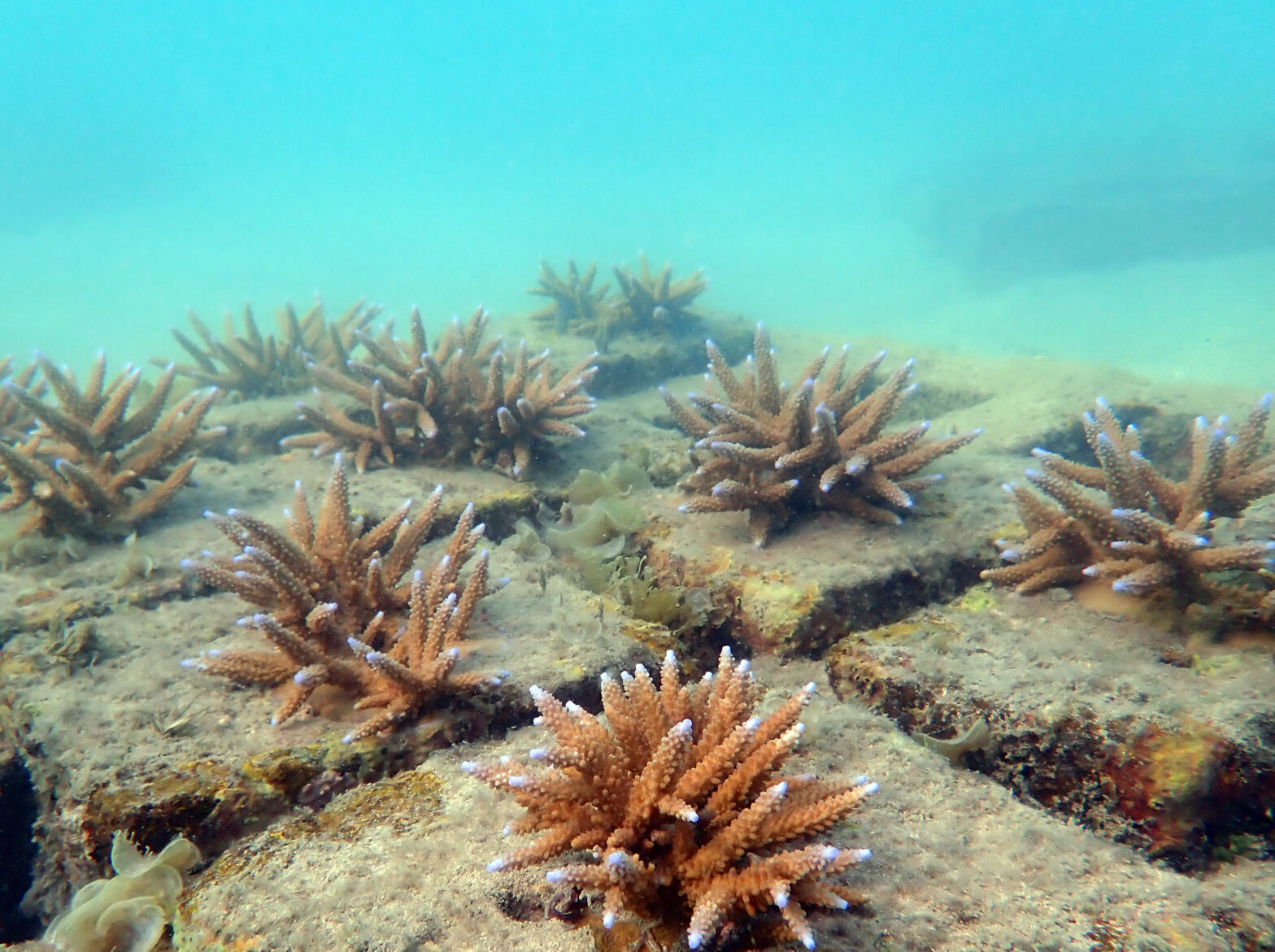
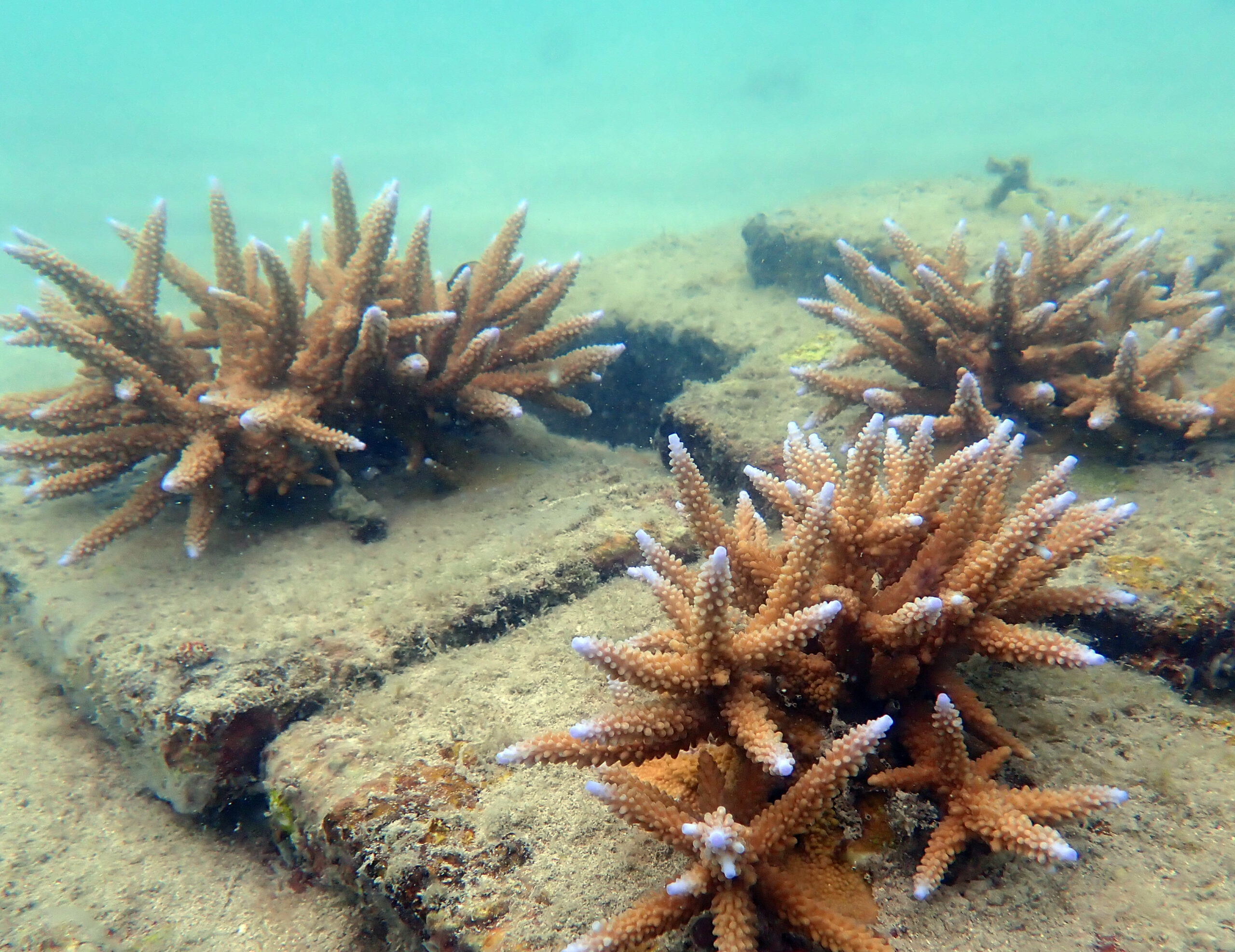
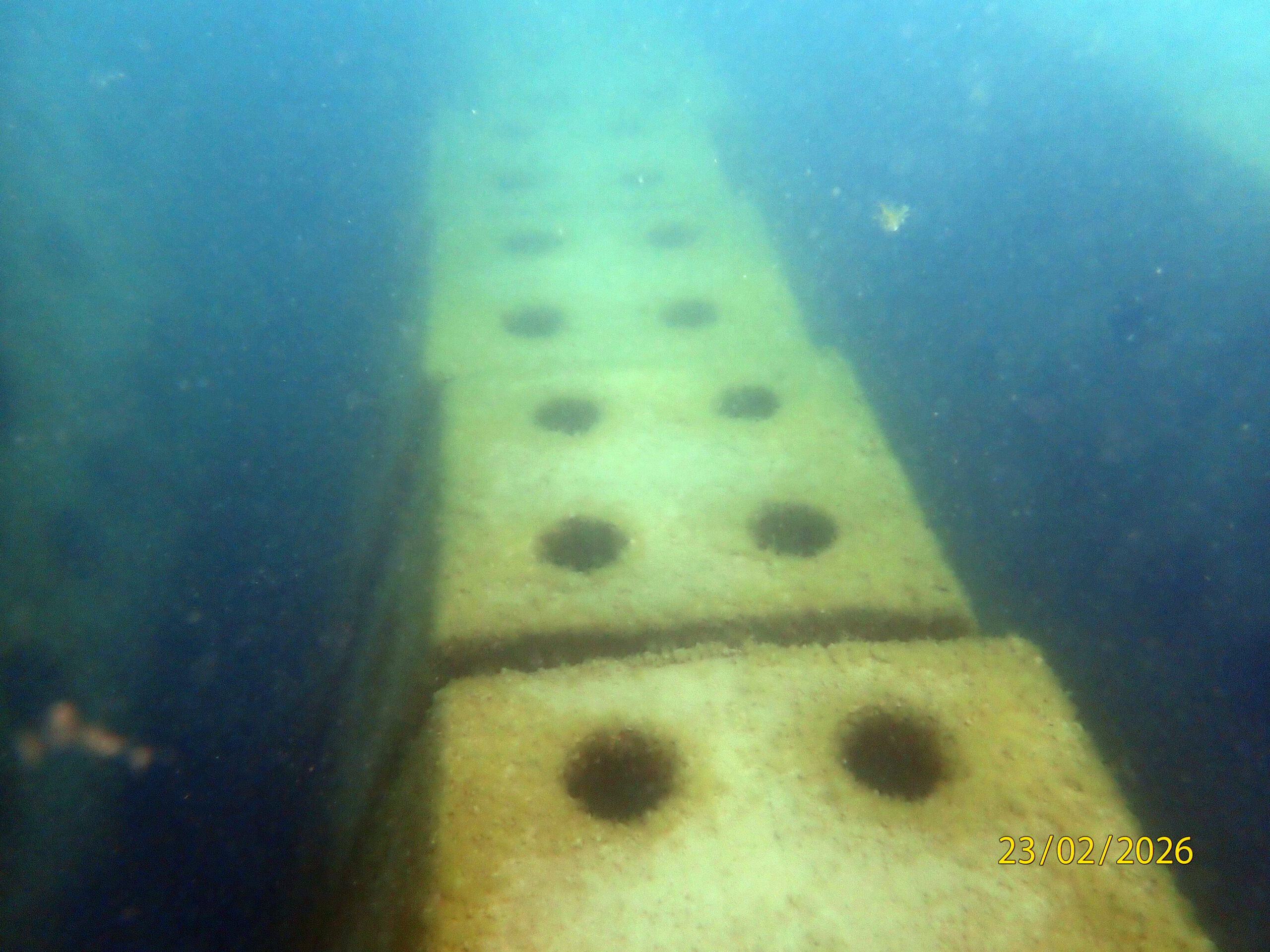
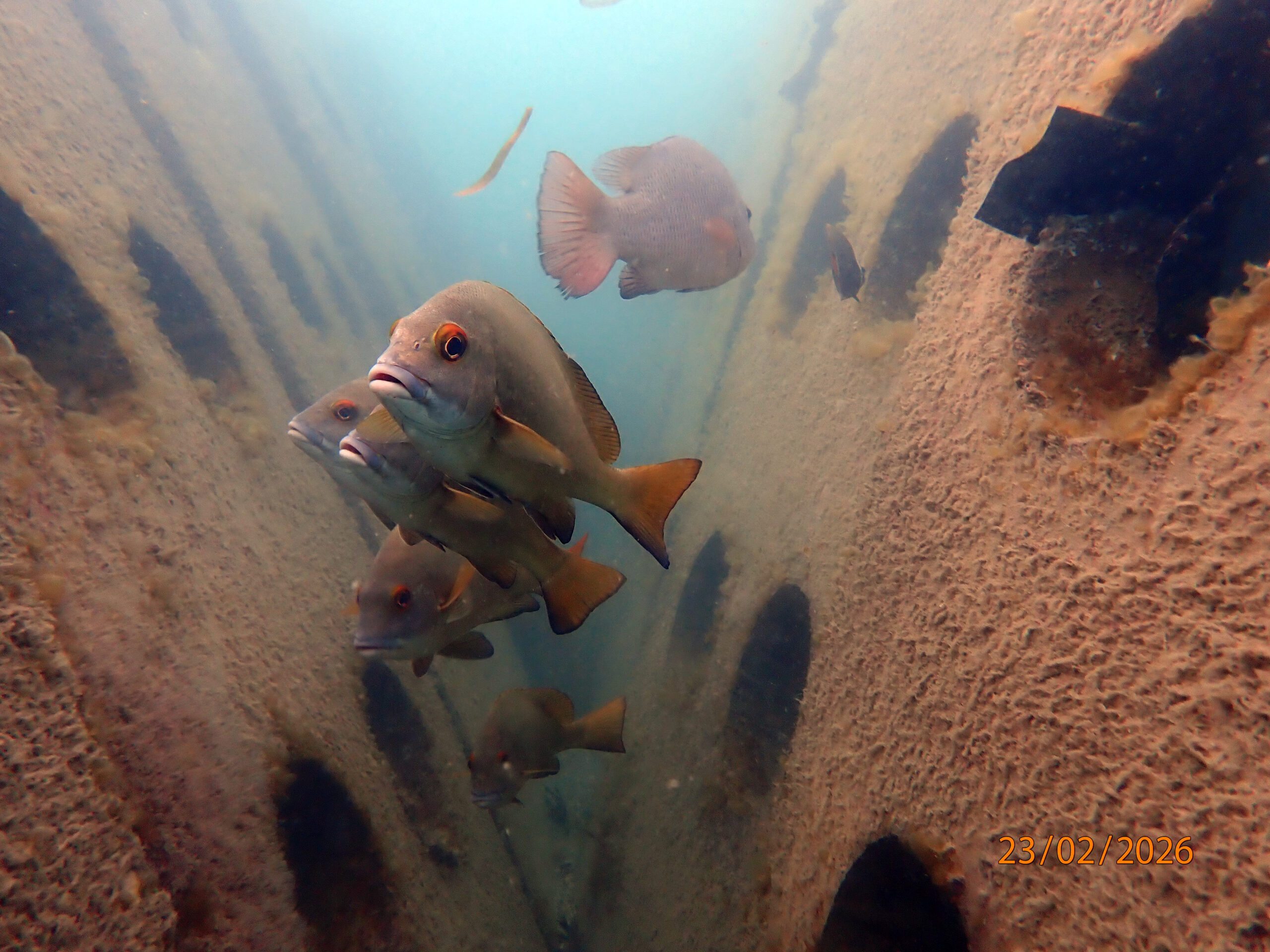
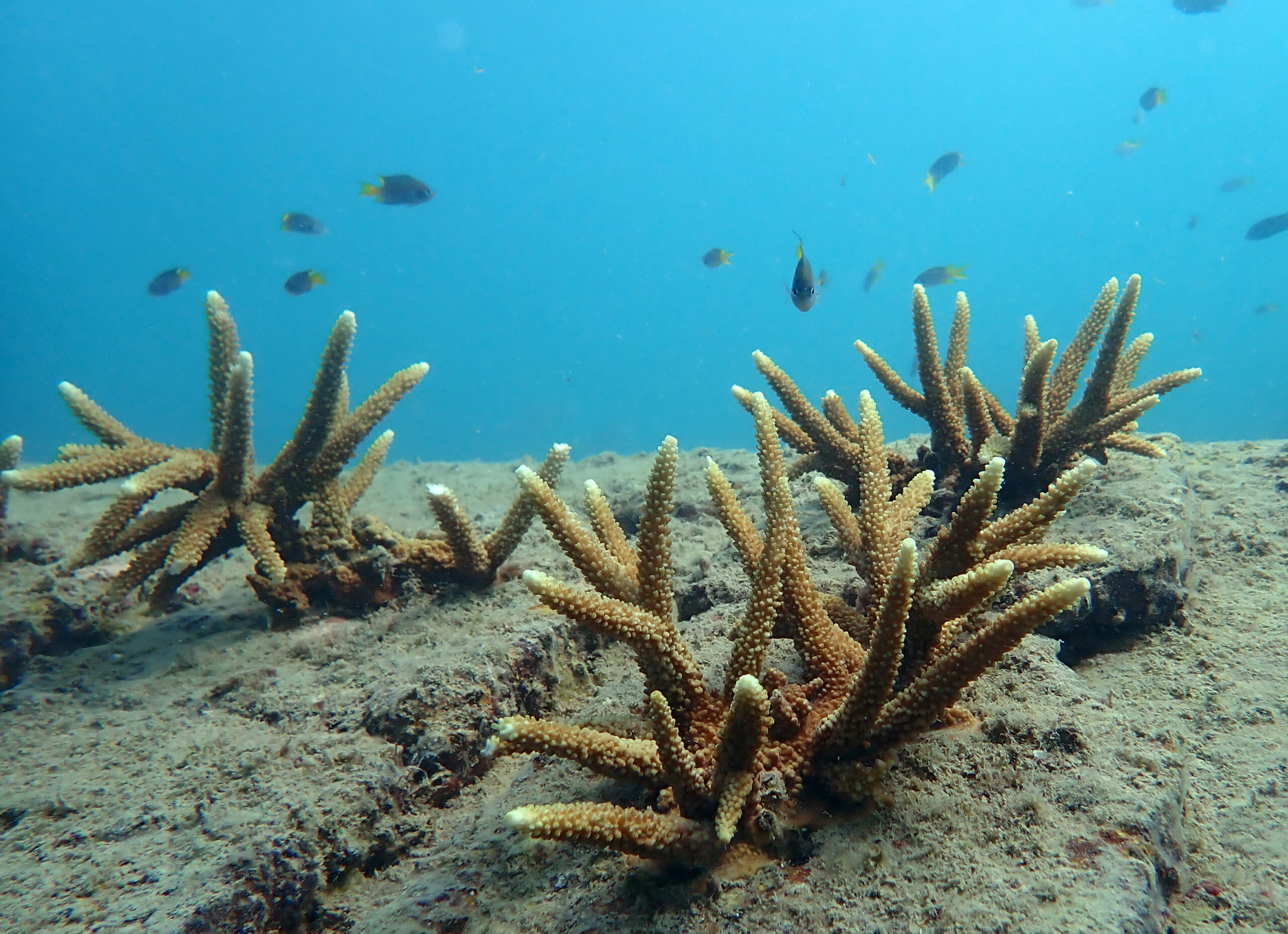
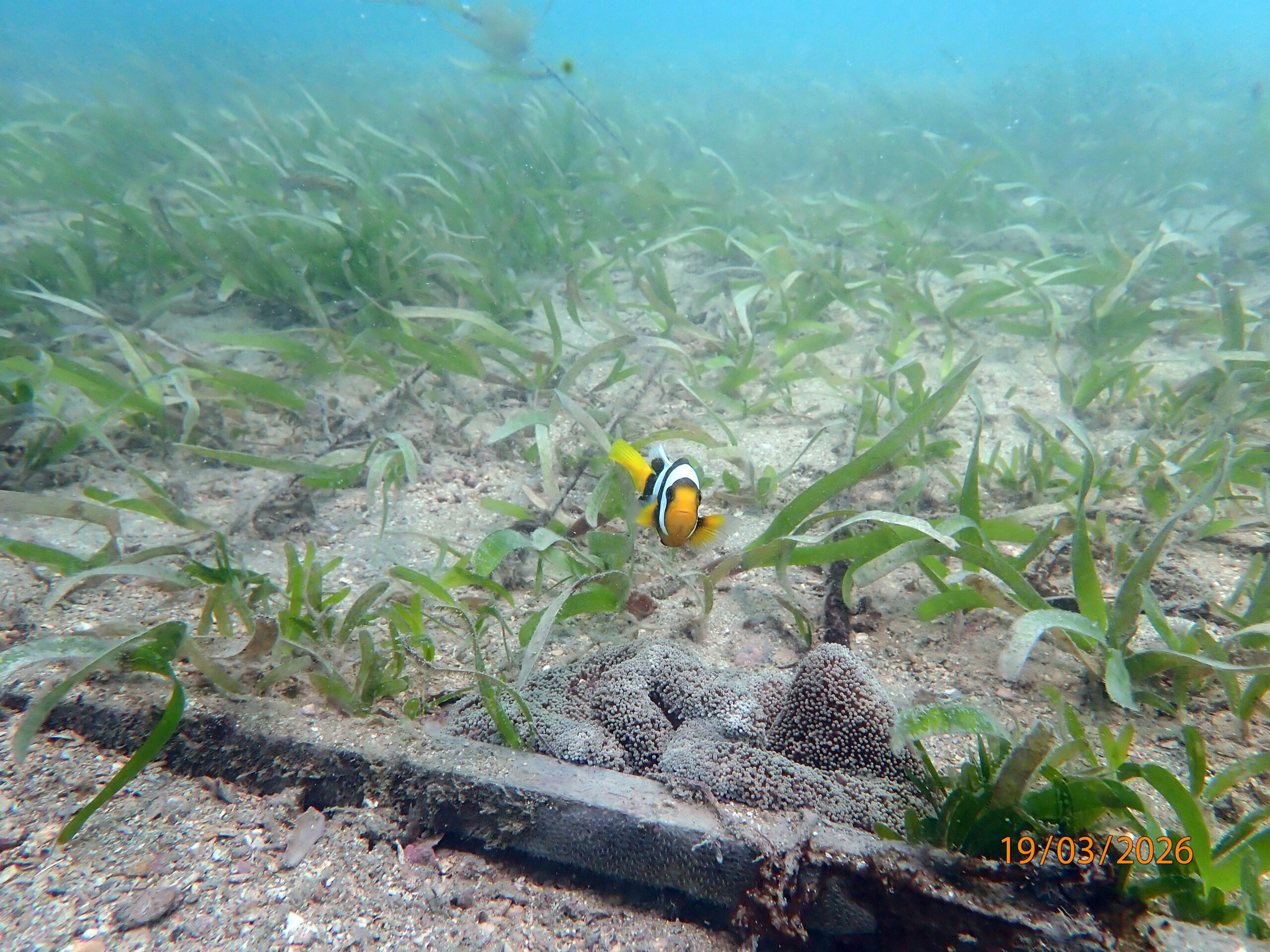
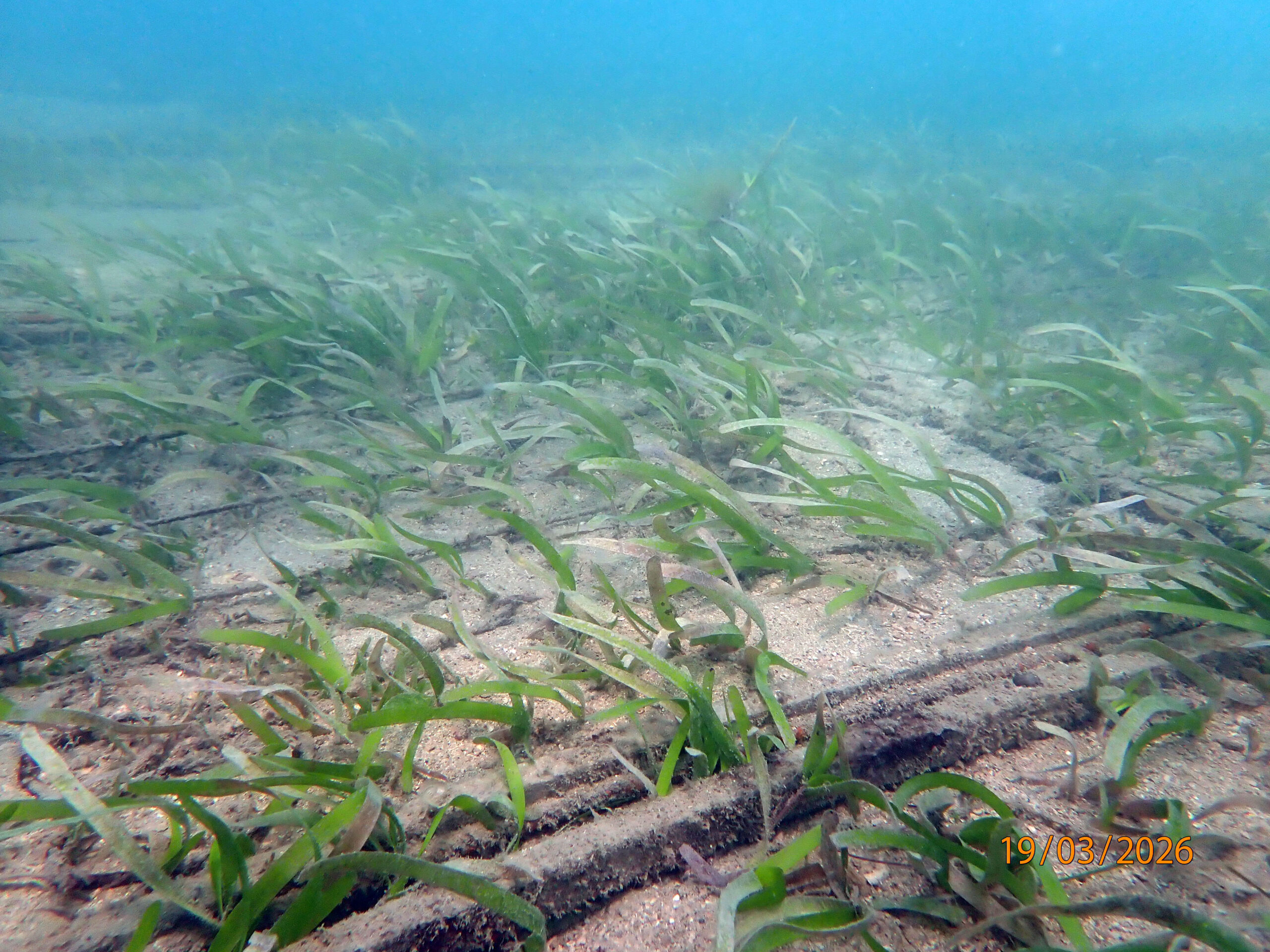
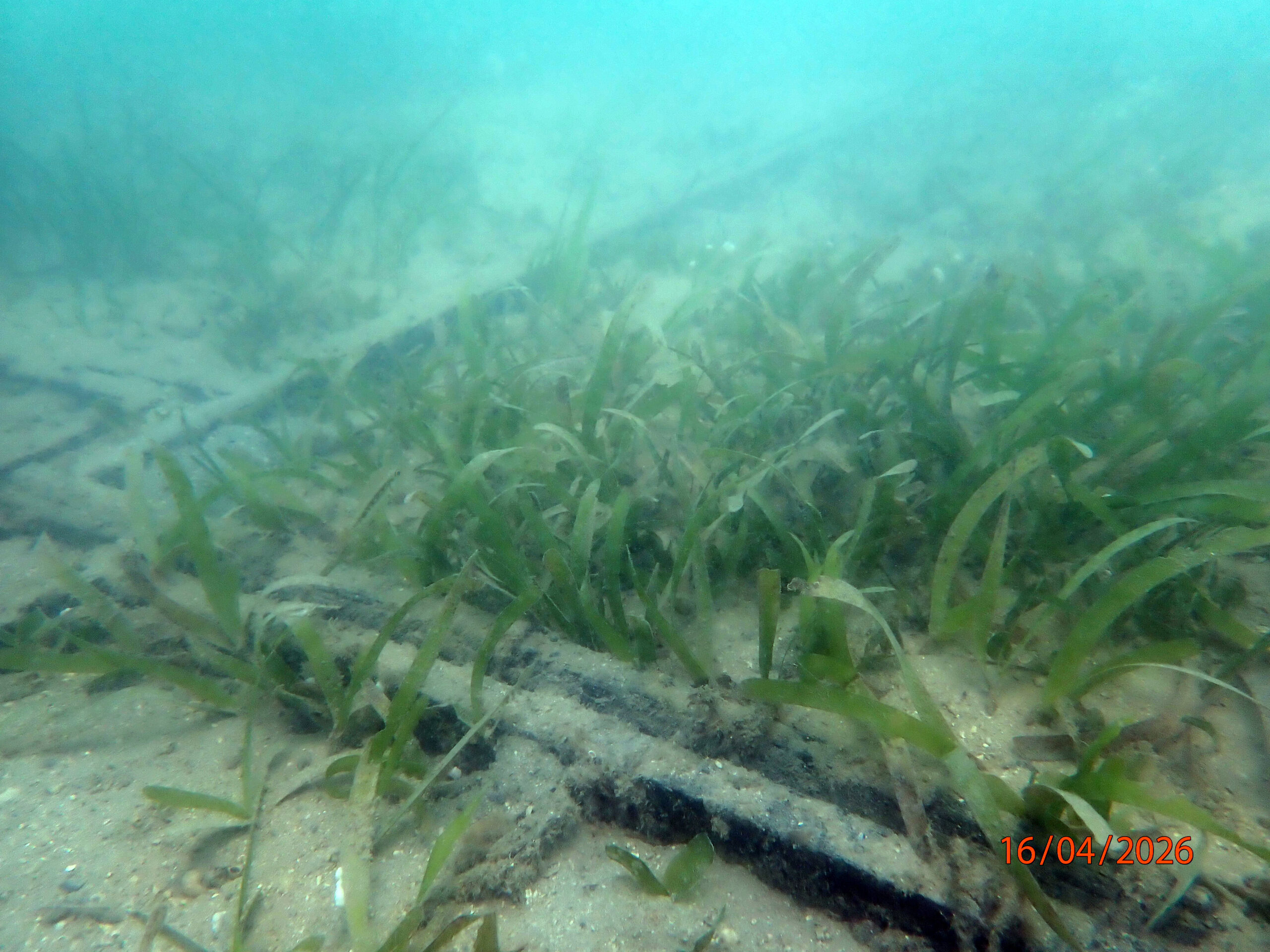
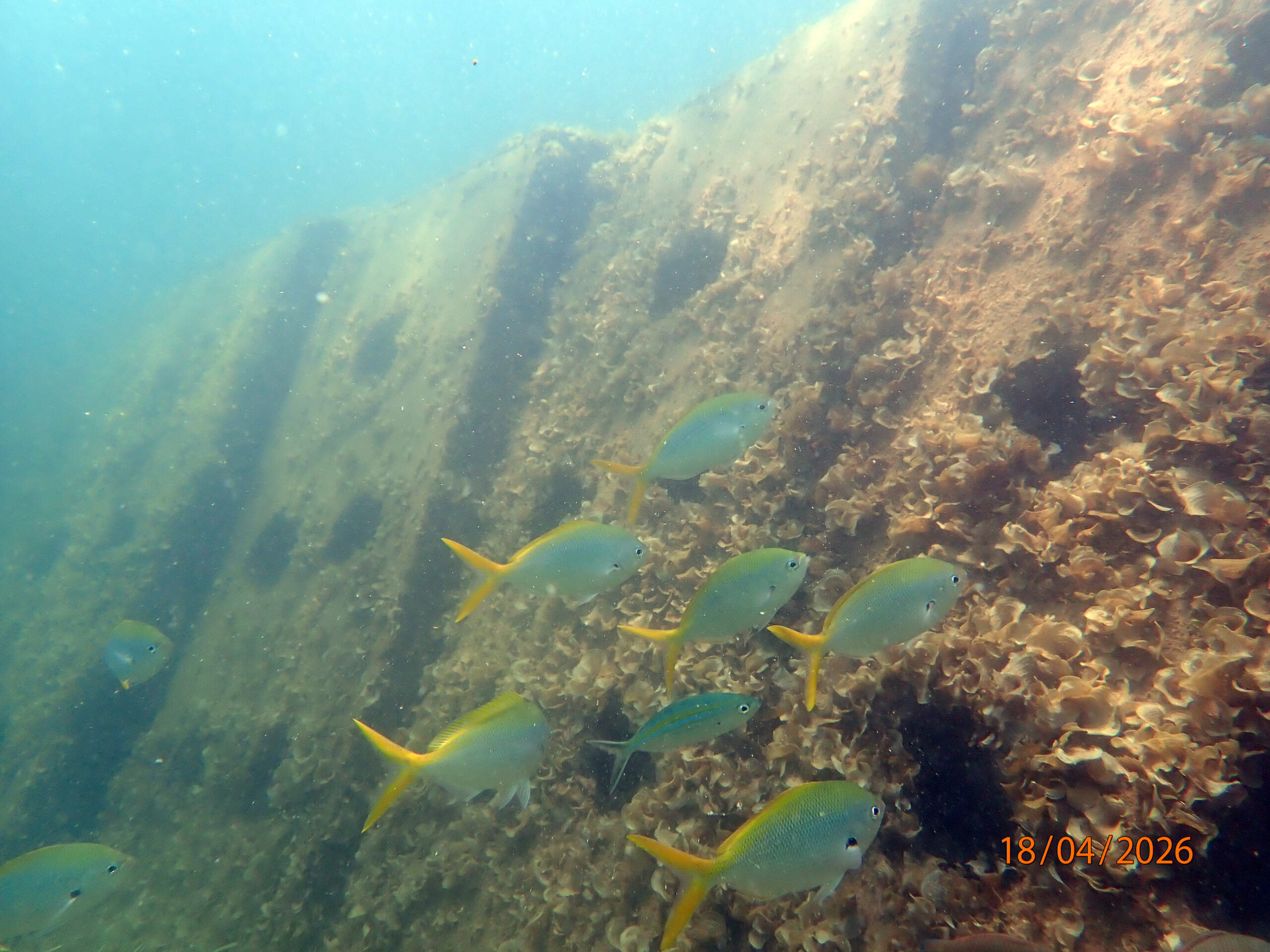
As part of the initiative, (1) 8,500 multipurpose artificial reef modules are being deployed around the island. These structures help reduce wave energy, create new habitats for marine life, and facilitate coral regeneration. (2) In parallel, degraded coral reefs and seagrass beds—covering 2 acres and 3 acres respectively—are being rehabilitated through standardized scientific restoration techniques.
Kariyachalli Island in the Gulf of Mannar—once thriving, now under threat from erosion and sea level rise. The project, with an estimated investment of ₹50 crore, will directly benefit coastal villages within a 10 km radius, including Vaipar, Sippikulam, and Pattinamaruthoor, and have indirect benefits for nearly 10 more nearby fishing communities. It integrates ecological restoration with community-based development by providing training, promoting alternative livelihoods, and encouraging eco-tourism initiatives. The Gulf of Mannar is India’s first Marine Biosphere Reserve and a globally recognized hotspot for marine biodiversity. The coral reefs and seagrass beds in this region are vital for fish breeding, shoreline protection, and carbon sequestration. However, decades of ecological degradation—from coral mining to climate-induced bleaching events—have severely impacted these ecosystems. Coral cover around Kariyachalli dropped significantly following the 2016 mass bleaching event, and seagrass beds have also diminished due to sedimentation and physical damage.
This effort reflects a strong commitment to restoring ecological balance while supporting the adaptive capacity of coastal communities. By reviving degraded ecosystems and preventing further erosion, the Kariyachalli Island project offers a model for integrated, nature-based solutions to climate challenges in coastal regions.
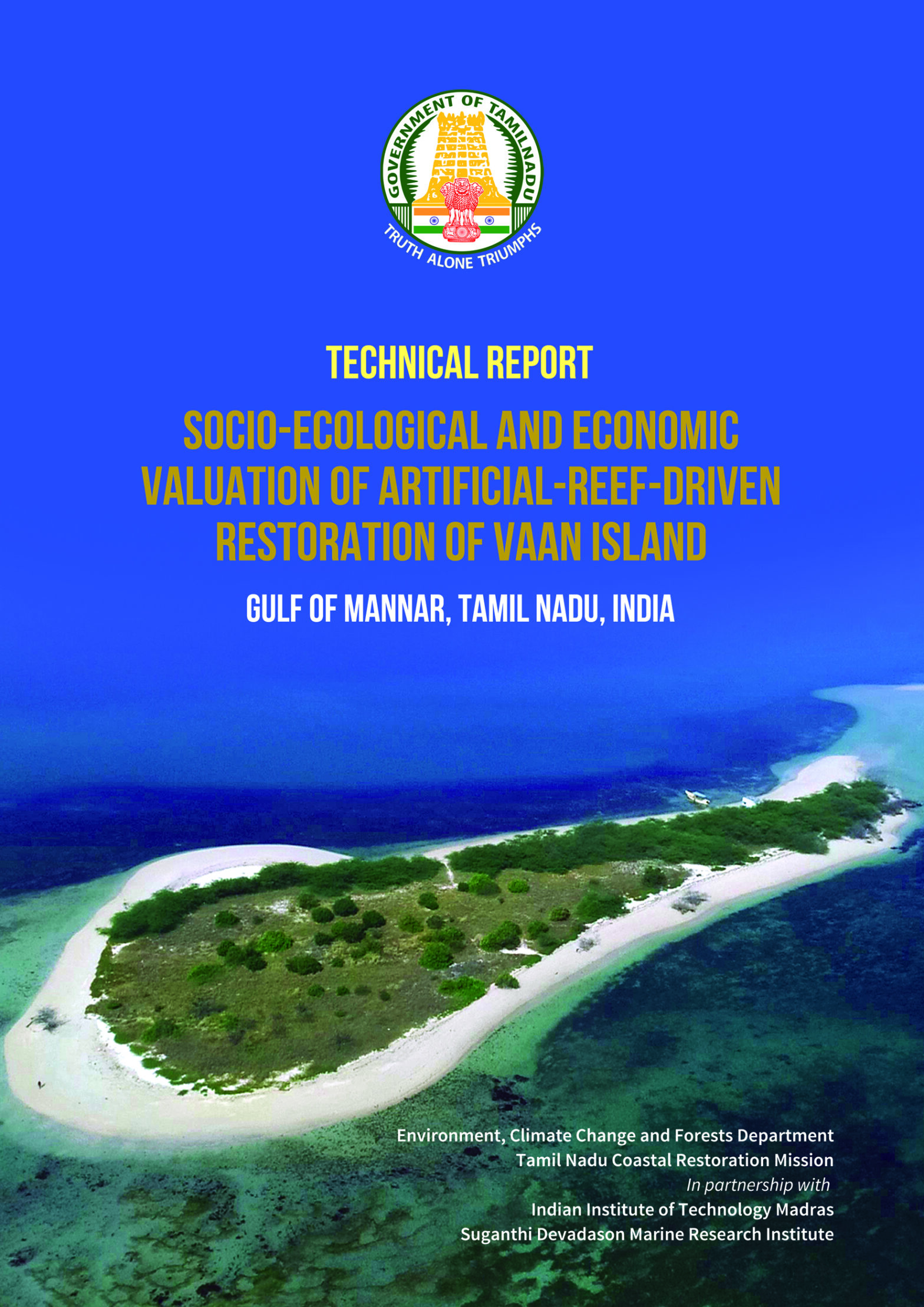
Socio‑Ecological and Economic Valuation of Artificial‑Reef‑Driven Restoration of Vaan Island, Gulf of Mannar, Tamil Nadu, India
Marine Litter on Tamil Nadu Coast, India: Status, Impacts and Management Strategies
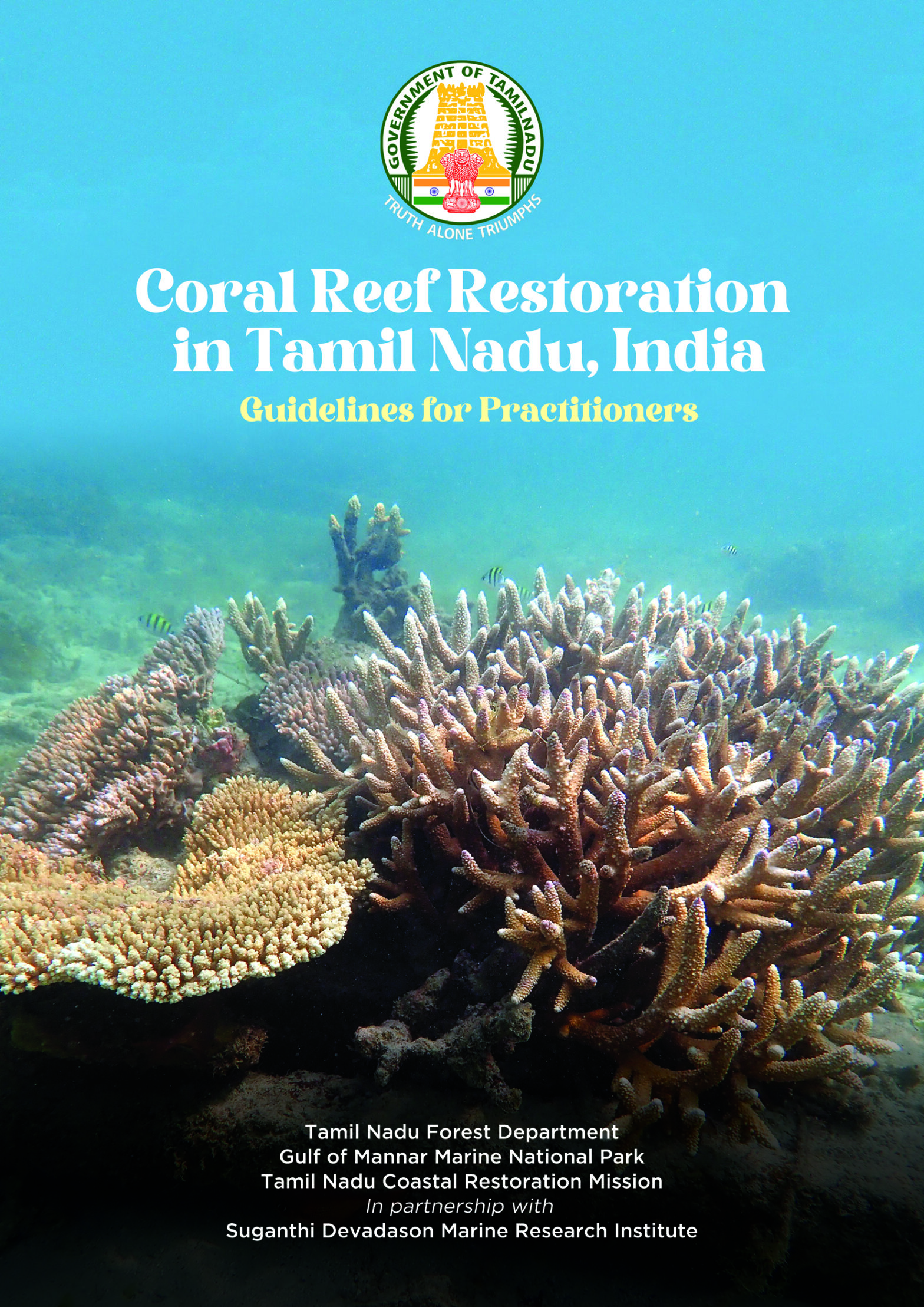
Coral Reef Restoration in Tamil Nadu, India: Guidelines for Practitioners
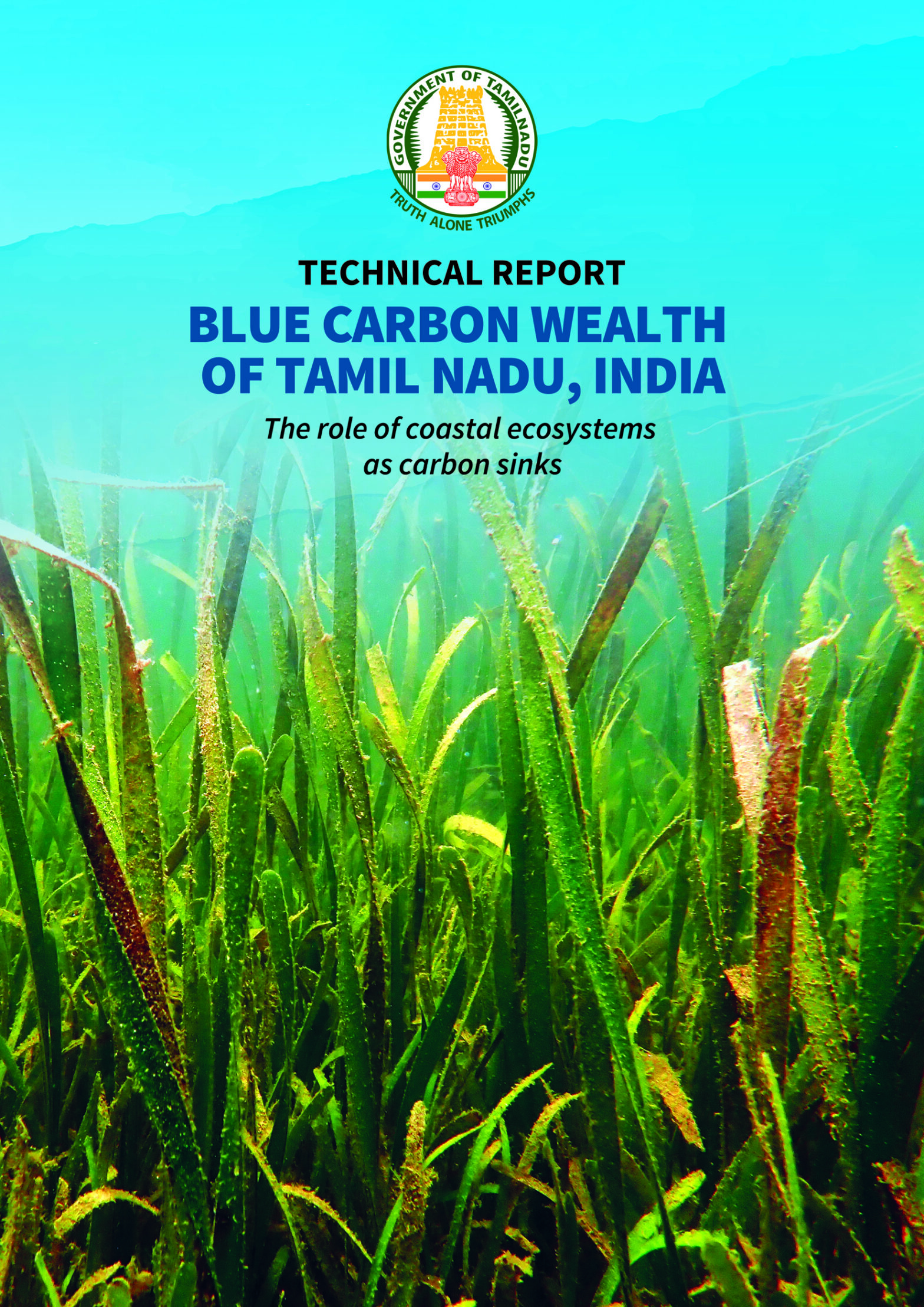
Blue Carbon Wealth of Tamil Nadu, India: The Role of Coastal Ecosystems as Carbon Sinks